
Top-Rated Foundation Repair Products To Strengthen Your Home
Browse the most effective tools and materials designed to improve foundation stability and protect your property.
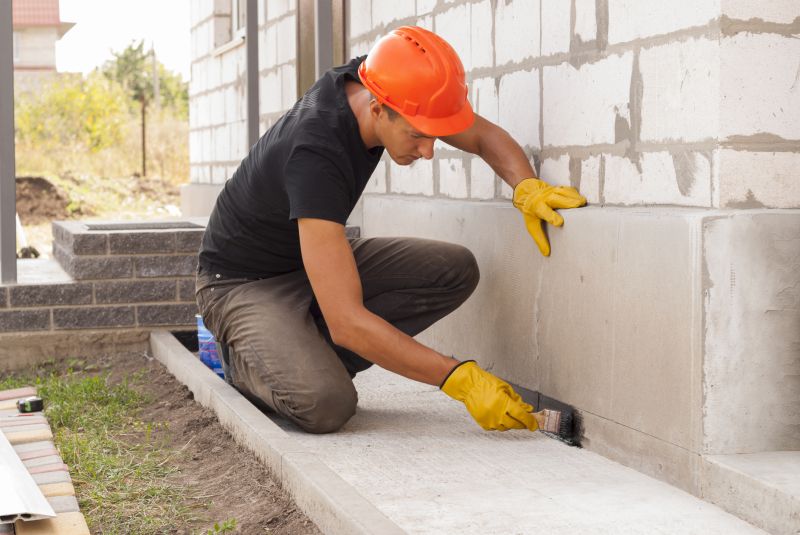 Foundation repairs are a critical aspect of maintaining the structural integrity of a building, especially in areas like Syracuse, NY, where soil conditions and weather patterns can impact the stability of foundations. Selecting the appropriate products for foundation repair involves understanding various solutions designed to address different issues such as settling, cracking, or shifting. These products are engineered to reinforce, stabilize, and lift foundations, helping to prevent further damage and maintain the safety of the structure.
Top Overall Option
Heavy-Duty Piering and Underpinning System
A versatile and robust underpinning system designed to stabilize and lift foundations. It typically involves the use of steel piers or piles that are driven deep into stable soil layers, providing a solid support base. These systems are suitable for a wide range of foundation issues and can be customized to fit different structural needs, offering a long-lasting solution for property owners seeking reliable stabilization. Proper installation by experienced professionals ensures optimal performance and helps prevent future settlement problems.
Types of Products For Foundation Repairs
Carbon Fiber Reinforcement Strips
Used to reinforce cracked concrete and prevent further cracking, these strips are bonded to the surface for added strength.
Polyurethane Foam Injection
A versatile solution for sealing and stabilizing small cracks and voids within the foundation.
Steel Push Piers
Installed beneath the foundation to provide immediate support and lift for settling structures.
Helical Piles
Deep foundation supports that are screwed into the soil, ideal for unstable ground conditions.
Concrete Jacking and Slab Lifting
Methods used to lift and level sunken slabs or concrete surfaces around the foundation.
Soil Stabilization Grouting
Injectable grout solutions that improve soil stability and reduce movement beneath the foundation.
Foundation Crack Sealants
Sealants designed to fill and seal cracks, preventing water intrusion and further deterioration.
Underpinning Piles
Support systems installed beneath the foundation to add stability and prevent settlement.
Waterproofing Membranes
Applied to foundation walls to prevent water intrusion and reduce soil-related pressure.
Anchor Bolts and Braces
Used to reinforce bowing or shifting walls by anchoring them to stable soil or framing.
Grouting and Soil Injection Systems
Injectable materials that fill voids and stabilize the soil beneath the foundation.
Foundation Repair Kits
DIY solutions including sealants, epoxy, and small supports for minor repairs.
Hydraulic Push Piers
Hydraulically driven supports that lift and stabilize foundations affected by settling.
Concrete Patching Compounds
Materials used to repair surface cracks and surface-level damages.
Drainage and Moisture Control Products
Systems designed to manage water flow around the foundation to prevent erosion and water damage.
Popular Choices
Commonly used to stabilize bowed or cracked foundation walls with minimal invasiveness.
Frequently selected for sealing small cracks and preventing water intrusion.
A popular choice for addressing significant settlement issues with reliable support.
Favored for their ability to support foundations in challenging soil conditions.
Widely used for sealing surface cracks and preventing moisture entry.
Used to lift sunken concrete slabs around the foundation area.
Popular for protecting basement walls from water seepage.
Commonly used to improve soil stability beneath the foundation.
Frequently employed to raise and level uneven slabs or footings.
Often used to reinforce shifting or bowing walls.
Popular for bonding cracked concrete and restoring surface integrity.
Essential for managing water around foundations and reducing pressure.
Used to track movement and assess the severity of foundation issues.
Commonly installed to provide additional support for compromised structures.
When considering foundation repair products, it's important to evaluate the specific needs of your property, including the extent of damage and the underlying soil conditions. Some products are suitable for minor cracks and surface issues, while others are designed for more significant structural challenges. Proper installation and compatibility with existing foundation materials are essential to ensure effective results.
In Syracuse, NY, where seasonal freeze-thaw cycles and soil movement are common, choosing durable and adaptable repair solutions is particularly important. Consulting with a foundation specialist can help determine the most suitable products for your situation. Whether you are addressing a small crack or undertaking a comprehensive repair, understanding the options available will aid in making informed decisions that support long-term stability.
Overall, investing in quality foundation repair products can contribute to the safety and longevity of your property. From simple crack injections to advanced underpinning systems, the range of available solutions provides options for various repair needs. Properly selected and installed products can help mitigate further damage and preserve the value of your home or building in Syracuse, NY.
Key Buying Considerations
- Assess the extent and type of foundation damage before selecting products.
- Consider the soil conditions and how they influence product choice.
- Evaluate the compatibility of repair products with existing foundation materials.
- Determine whether the repair solution is suitable for minor cracks or major settlement.
- Review installation requirements and whether professional expertise is needed.
- Check the durability and long-term performance of the repair products.
- Identify if waterproofing or moisture control is necessary as part of the repair plan.
- Consider the potential for future movement or settling and select adaptable solutions.
- Review manufacturer guidelines and warranty options for repair products.
- Ensure that the repair approach complies with local building codes and regulations.
- Factor in the accessibility of the repair site for equipment and technicians.
- Estimate the overall cost and compare different product options for value.
- Look for products with proven track records and positive user feedback.
- Assess the environmental conditions, such as freeze-thaw cycles, that may impact product performance.
- Determine if any additional structural elements are required for comprehensive repair.